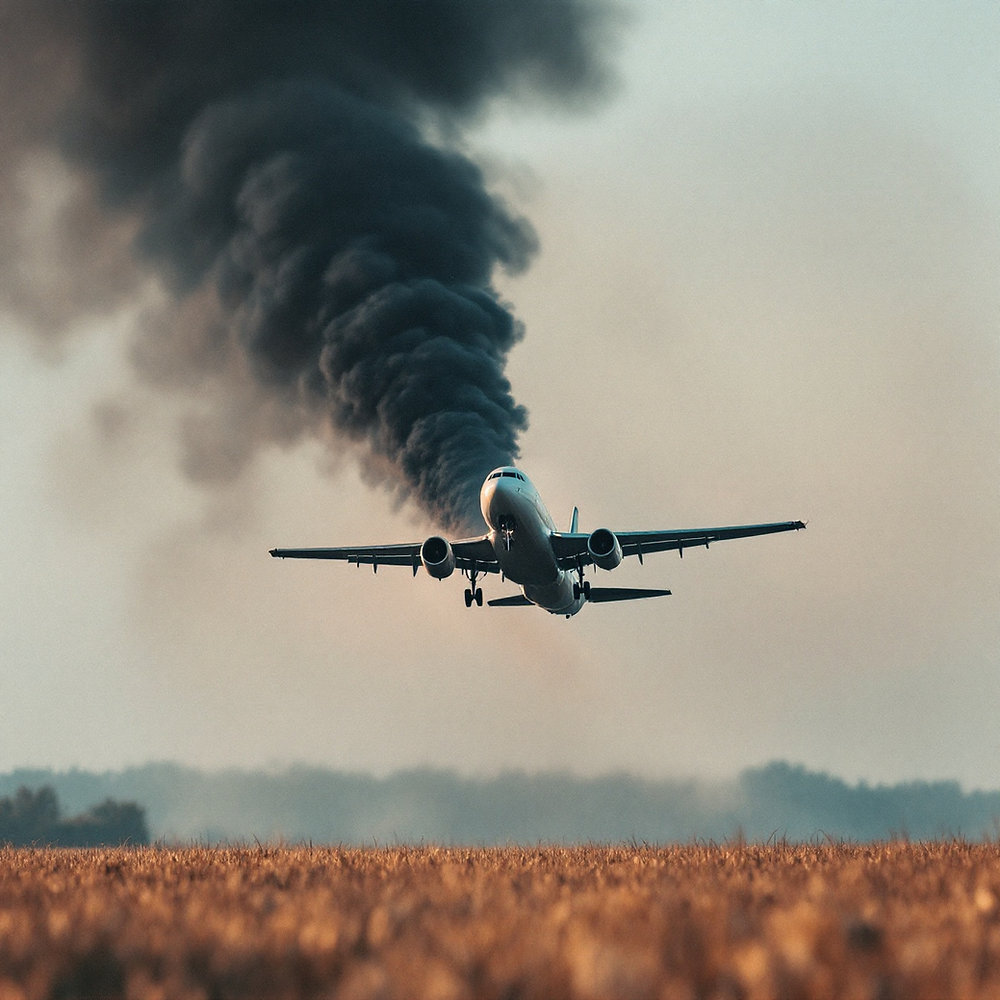
Why Does Business Class travel Have Higher Emissions?Flying business class has a significantly higher carbon footprint than economy class, primarily due to:1️⃣ More Space Per…
Why Does Business Class travel Have Higher Emissions?
Flying business class has a significantly higher carbon footprint than economy class, primarily due to:
- More Space Per Passenger:
- Business class seats take up more space, meaning fewer passengers per flight compared to economy.
- More space means higher fuel consumption per passenger.
- Higher Weight & Luxury Amenities:
- Business class seats are heavier due to reclining features, entertainment systems, and extra legroom.
- More luggage allowance for business travelers also increases the overall aircraft weight, requiring more fuel.
- Lower Passenger Density Per Flight:
- Fewer passengers occupying larger seats reduces the overall efficiency of fuel use.
- In contrast, economy class fits more people per square meter, making it more fuel-efficient.
How Much More CO₂ Does Business Class Emit?
-
Business class flights emit 2 to 3 times more CO₂ per passenger compared to economy class.
-
First class emits up to 4 times more CO₂ due to even larger seating areas.
-
Private jets are the worst offenders, emitting up to 14 times more CO₂ per passenger than commercial economy flights.
Example: CO₂ Emissions Per Passenger (Long-Haul Flight, 10,000 km)
Seat Class
CO₂ Emissions (kg per passenger)
Carbon Credit Cost at $65 per ton
Economy Class
1.5 - 2.5 tons CO₂
$100 - $162
Business Class
3 - 7 tons CO₂
$195 - $455
First Class
5 - 9 tons CO₂
$325 - $585
Private Jet
20 - 40 tons CO₂
$1,300 - $2,600
Cost Savings & Employee Benefits – A New Perspective
**Linking Sustainability with Employee Benefits:**While business class may still be a priority for some corporate travelers, sensitization and policy changes can help reduce unnecessary business class travel and shift more flights to economy class where feasible.
-
Per flight, shifting from business to economy saves approximately $100 in carbon credit costs per passenger (based on a 2-ton reduction per person).
-
Companies can use this internal carbon cost savings to allocate funds toward employee benefits such as wellness programs, training, or incentives.
-
This approach links environmental responsibility with direct employee impact, ensuring a win-win scenario for both sustainability and workforce engagement.
By integrating an internal carbon pricing strategy, organizations not only reduce their emissions but also create a tangible financial incentive for employees to make greener travel choices.
Would you like insights on how to design an internal carbon pricing model for business travel sustainability?
#ESGWEISE#Sustaianbility#BusinessTravel